The Social Code Nobody Talks About (But Everyone Notices)
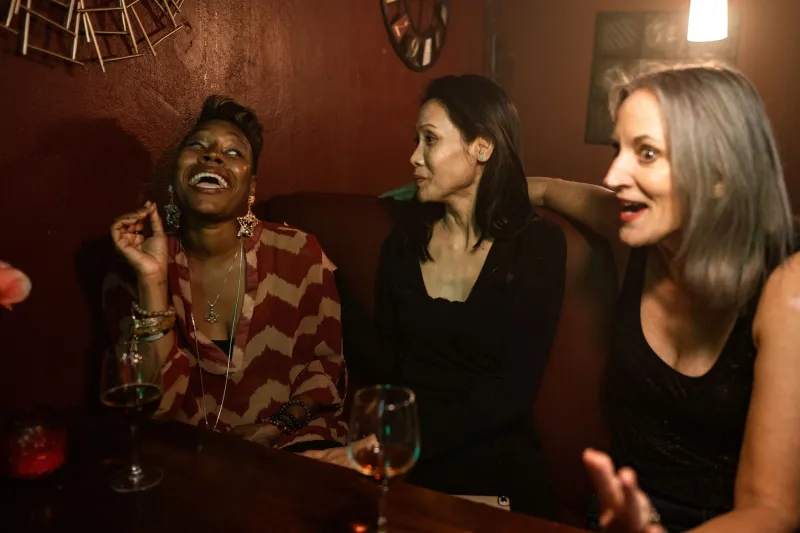
Walk into any club gathering and something hits you within the first thirty seconds. Maybe it's warm — people look up, someone waves you over, a conversation naturally opens to let you in. Or maybe it's the other kind of feeling: clusters of people with their backs turned, conversations that don't pause, and a creeping sense that you wandered into someone else's reunion.
The difference between those two rooms? It's rarely about the venue or the agenda. It's about the unspoken social code that members either follow — or don't even know exists.
At Lincoln's Club, we talk a lot about building community. But community isn't just an event on the calendar. It's built in the margins — in how we greet each other, how we handle awkward silences, how we make space for the person standing alone near the snack table. Here's what your fellow members wish you knew.
The First Five Minutes Set the Whole Tone
When someone new walks through the door, they're doing a rapid-fire social calculation: Do I belong here? Will anyone talk to me? Was this a mistake? That window of uncertainty closes fast — usually within the first five minutes.
Longtime members often underestimate their own power in that moment. You don't have to be the official greeter. You just have to be the person who makes eye contact and says, "Hey, haven't seen you here before — I'm Marcus." That's it. That's the whole move.
What kills the vibe? The silent walk-past. When regulars are so locked into their existing friend groups that newcomers become invisible, it doesn't feel intentional — but it lands that way every single time.
Group Conversations Have a Traffic System
Ever been in a circle where one person is doing about 80% of the talking? Or tried to jump into a conversation and felt like you were shouting across a highway? Group dynamics in social settings follow a kind of informal traffic system, and it works a lot better when everyone knows the signals.
A few things that smooth the flow:
- The open stance. When your group is standing in a circle, physically opening up the circle — even slightly — signals to nearby folks that they're welcome to join. A closed, tight huddle sends the opposite message, even unintentionally.
- The redirect. If someone quieter hasn't spoken in a while, a simple "Hey, what do you think about that?" can be genuinely transformative. It costs you nothing and can make someone's whole night.
- The graceful exit. Wrapping up a one-on-one conversation doesn't have to be awkward. "I'm going to grab a drink and say hi to a few people — really glad we talked" is warm, honest, and gives both of you room to circulate.
Nobody expects you to run a panel discussion. But being even a little intentional about who's in the room with you changes the whole energy.
Phones Are a Bigger Deal Than You Think
Look, nobody's judging you for checking a text. But there's a noticeable difference between a quick glance and spending ten minutes scrolling while someone across from you slowly runs out of things to say.
In a club setting, your phone is a signal. When it's away, you're saying: I'm here, I'm present, you have my attention. When it's out and active, the message — even if you don't mean it — is the opposite.
This one cuts both ways for hosts, too. If you're running the event, being buried in your phone during the actual gathering sends a weird signal to your members. Even if you're handling logistics, stepping away to do it shows more respect for the room.
Names Matter More Than You Remember
Forget someone's name after meeting them twice? Welcome to the human experience. But there's a difference between forgetting and never really trying in the first place.
Making a small effort to remember — or to honestly say, "I'm terrible with names, remind me again?" — goes a long way. People notice when you use their name in conversation. It's a small thing that signals real attention.
At bigger gatherings, name tags aren't just logistical — they're actually an equalizer. They take the pressure off everyone and make it easier for newer members to approach people they recognize by face but not by name. If your club doesn't use them, it might be worth a conversation.
The Art of Not Monopolizing the Host
This one's for the regulars who love the host — and honestly, who doesn't? If you have a close relationship with whoever's running the event, that's a beautiful thing. But shadowing them all night, or pulling them into a long personal conversation while they're trying to work the room, quietly makes things harder for everyone else.
A good host needs to move. They need to check on the new faces, troubleshoot the thing that's not working, and make sure the room feels balanced. Letting them do that — and trusting that you'll catch up with them later — is actually one of the kindest things a longtime member can do.
Inclusion Is an Active Sport
Here's the thing about welcoming atmospheres: they don't just happen. They're built, deliberately, by people who decide to pay attention.
That means noticing the person who's been standing near the edge of the room for fifteen minutes. It means not letting inside jokes run so long that half the room feels excluded. It means being genuinely curious about people whose backgrounds or interests are different from yours — not as a social obligation, but because that's literally where the most interesting conversations live.
Lincoln's Club exists because people wanted somewhere to actually connect — not just show up and collect a business card. That kind of connection doesn't happen automatically. It happens when enough people in the room decide to be a little more intentional than the situation requires.
The Unwritten Code, Written Down
None of this is complicated. None of it requires a personality transplant or a crash course in social psychology. It's mostly just:
- Look up when someone new walks in
- Make space in the circle
- Put the phone away
- Learn the names
- Let the host do their job
- Notice who's on the edges
These aren't rules handed down from on high. They're just the things that, when people do them, make a room feel worth coming back to. And when people don't? Well — that's usually when the membership starts quietly thinning out.
The good news is that any one of us can shift the energy in a room just by deciding to show up a little more thoughtfully. That's the whole game, really.