It's Not About Remembering Everything — It's About Making People Feel Seen
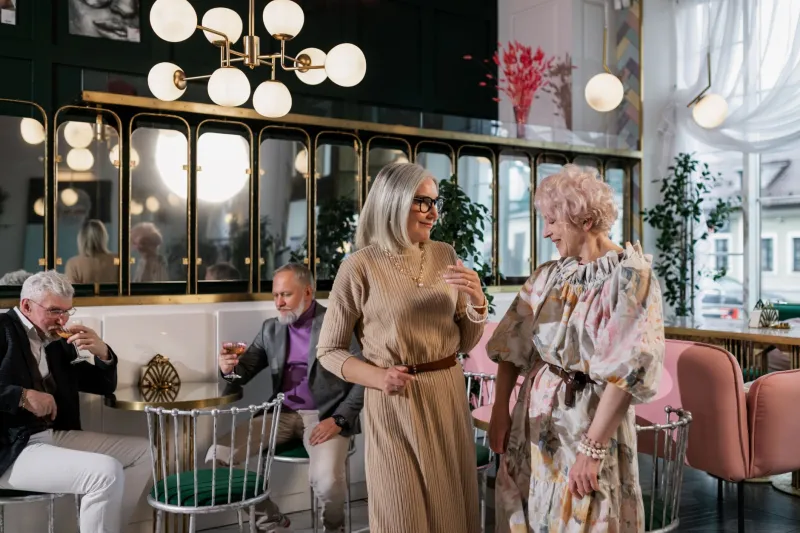
Somewhere between the second and third time Denise showed up to her local club's Thursday mixer, something shifted. It wasn't a dramatic moment. Nobody handed her a plaque or made an announcement. A longtime member named Gerald just looked up from across the room, caught her eye, and said, "Hey, you're back. How'd that job interview go?"
She hadn't even been sure he'd heard her mention it the week before.
"That was it," Denise says now, laughing a little at how simple it sounds. "That was the moment I knew I was going to keep coming back."
This kind of story isn't rare. Ask almost any long-standing club member what made them stay, and they rarely point to the programming, the happy hour specials, or even the quality of the speakers at the monthly meetings. They point to a moment — usually a quiet one — when somebody made them feel like they mattered.
The Difference Between Familiarity and Recognition
There's a psychological distinction that doesn't get talked about enough in community spaces: the gap between familiarity and recognition.
Familiarity is surface-level. It's knowing someone's face, maybe their first name, maybe what they do for work. It's the polite nod across the buffet table. Familiarity is fine. It keeps things comfortable. But it doesn't build loyalty.
Recognition goes deeper. It's the awareness that someone exists as a full person — with a backstory, with things they care about, with wins and worries that extend beyond whatever role they play in the room. When someone feels recognized, they don't just feel welcomed. They feel like they belong.
Research in social psychology backs this up. Studies on group cohesion consistently show that people's commitment to a community isn't primarily driven by the benefits they receive — it's driven by how seen they feel within it. The technical term is "mattering" — the sense that your presence is noticed and that your absence would be felt.
Clubs that get this right don't necessarily have the biggest budgets or the flashiest events. They have members who pay attention.
Small Gestures, Outsized Impact
Ask around Lincoln's Club and you'll hear version after version of the same essential story.
Marco, a member who joined three years ago after relocating from Chicago, remembers feeling invisible at his first few events. "I'm naturally introverted," he admits. "I'd show up, have a couple of conversations, and then kind of fade into the wall." What changed things wasn't a formal mentorship program or a buddy system. It was a woman named Patricia who, at the fourth or fifth event, walked straight up to him and said, "You mentioned last time you were trying to find a good running trail around here. Did you ever find one?"
He had. And they talked for twenty minutes.
"She remembered something I'd said almost as an aside," Marco says. "That told me she'd actually been listening. Not networking — listening."
That's the distinction that matters. Recognition isn't a technique. It can't be faked, at least not for long. People are remarkably good at sensing when they're being catalogued versus when they're being genuinely seen. The member who asks about your weekend because they actually want to know lands differently than the one who does it while scanning the room for someone more useful to talk to.
Why Clubs Lose Good People (And Don't Always Know Why)
Here's an uncomfortable truth about member retention: people rarely leave because something bad happened. More often, they leave because nothing particularly meaningful happened. They drifted. They got busy. They stopped coming, and nobody seemed to notice — or if they did, they didn't say anything.
That absence of recognition is its own message. It tells someone: your presence here is interchangeable.
For clubs trying to understand why their retention numbers plateau, this is worth sitting with. The programming might be excellent. The venue might be great. But if members aren't experiencing consistent, genuine acknowledgment — not flattery, not networking small talk, but actual recognition — they'll eventually find somewhere else to spend their Thursday nights.
The fix isn't complicated, but it does require intention. It means training yourself (and encouraging your fellow members) to actually listen during conversations, not just wait for your turn to talk. It means following up. It means learning what matters to the people around you — not because it's useful, but because they matter.
What Recognition Actually Looks Like in Practice
If you're wondering what this looks like on the ground, here are a few things members at Lincoln's Club have described as genuine turning points in their sense of belonging:
- A follow-up that nobody required. Someone emailed to check in after you mentioned you were going through something hard. Nobody told them to. They just did.
- A specific compliment. Not "great to see you" but "I was thinking about what you said last month about your nonprofit work — it stuck with me."
- Being introduced as a full person. Not "this is Dave, he works in finance" but "this is Dave — he just got back from a road trip through the Southwest and he's got some opinions about Texas barbecue you should hear."
- Noticing an absence. Someone reaching out when you missed a couple of events — not to guilt you, just to say hey, we noticed, hope everything's okay.
None of these things cost anything. They don't require a committee or a budget line. They require the willingness to treat the people around you as the full, complicated, interesting humans they are.
The Club That Knows Your Name — And What's Behind It
There's a reason the phrase "where everybody knows your name" has lingered in American culture for decades. It captures something real about what people are searching for in community spaces — not just access to a room full of people, but the feeling of mattering within it.
The clubs that build genuine loyalty aren't the ones with the most events on the calendar. They're the ones where members show up and immediately feel the difference between being present and being there. Where someone across the room catches your eye and asks about the thing you mentioned three weeks ago. Where your absence would be noticed. Where your return is genuinely welcomed.
That's not magic. It's not a membership perk or a program you can outsource. It's the accumulated result of people choosing, over and over again, to pay attention to each other.
And if you're reading this as a club member — that's something you can start doing today, without waiting for anyone to organize it.